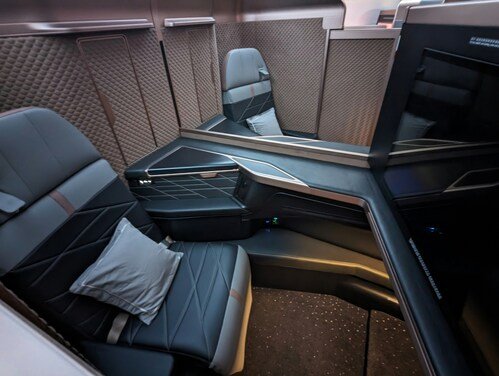
For a long time, booking first class flights felt like a closed world. Travelers relied on personal assistants, private agents, or airline contacts to arrange ultra-premium travel. Prices were rarely discussed openly, options were limited, and most decisions happened behind the scenes. Today, that model has changed. First class travel still offers exclusivity, but the way it is booked has moved firmly into the digital space. This shift has not reduced luxury. Instead, it has given travelers more control, clearer information, and easier access to top-tier experiences.
How Digital Platforms Changed Ultra-Premium Travel
The biggest change in first class travel is not onboard the aircraft, it is in how tickets are sold.
Digital platforms now allow travelers to view routes, aircraft types, cabin layouts, and availability in real time. Instead of waiting for an agent to call back with options, travelers can instantly compare different airlines, departure cities, and travel dates.
This matters because first class is no longer offered everywhere. Many airlines limit first class to specific routes, aircraft, or seasons. Online access makes it easier to identify:
- Which airlines still offer first class
- On which routes first class is available
- What type of suite or seat is used
For example, a traveler flying from New York to Europe may discover that first class is available on one airline via a specific hub, but not on another. Digital tools make these differences visible immediately.
Platforms like Business Skies that specialize in first class flights online also surface negotiated and agency-only fares, something that was once accessible only through private networks.
Control, Customization, and Transparency
Ultra-premium travelers value control more than almost anything else. Digital booking delivers that control in practical ways.
Online platforms allow travelers to:
- Choose exact flight times and aircraft
- Review seat layouts and suite designs
- Understand fare rules before booking
- Compare nonstop and connecting options
This transparency is especially important in first class, where products differ significantly between airlines. One carrier may offer a fully enclosed suite with a separate bed, while another offers a wide open seat with dining space. Both are “first class,” but the experience is very different.
Customization also plays a role. Travelers can build itineraries that fit their needs, such as:
- Open-jaw trips (fly into one city, return from another)
- Mixed first and business class segments
- Strategic connections to access better aircraft
In the past, these details were handled manually by agents. Today, digital platforms make them easier to manage and adjust.
Why Even First Class Travelers Book Online
There is a common assumption that first class travelers do not care about booking tools or price comparisons. In reality, many of them care deeply, just for different reasons.
First class travelers often book online because:
- It saves time
- It reduces back-and-forth communication
- It provides immediate confirmation
- It allows independent decision-making
Even travelers with assistants or advisors often use online platforms to review options before making a final choice. Seeing the full picture helps them make confident decisions quickly.
Another reason is consistency. Digital booking ensures that details such as seat selection, meal preferences, and routing are recorded accurately. This reduces the risk of miscommunication on complex itineraries.
Finally, online platforms support smarter planning. Travelers can monitor availability, compare seasons, and choose flights that best align with their schedules, not just what is offered at a given moment.
First class travel has not lost its exclusivity. What has changed is access to information.
Luxury no longer depends on secrecy. It depends on precision, clarity, and control. Digital platforms have brought those qualities into the booking process, without taking anything away from the experience itself.
Today, booking first class online is not a downgrade, it is an upgrade in how ultra-premium travel is planned.